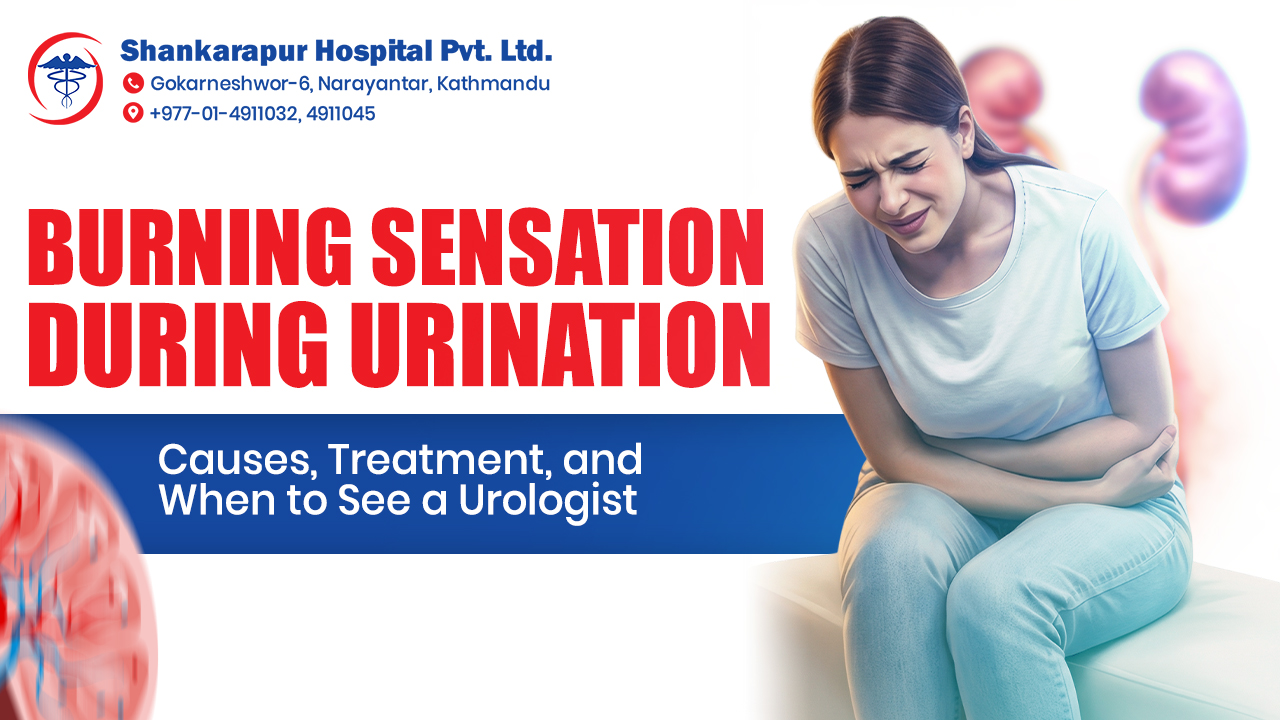
A burning sensation during urination is a common but uncomfortable symptom that many people experience at some point in their lives. This sensation can vary from mild to severe and may be accompanied by other symptoms such as frequent urination, cloudy or bloody urine, or a strong odor. If you experience this discomfort, it’s important to understand the underlying causes and know when it’s time to seek medical attention.
At Shankarapur Hospital, a leading healthcare provider in Kathmandu, we specialize in urology, focusing on diagnosing and treating conditions related to the urinary tract and reproductive system. Our urology department in Kathmandu is equipped with the latest technology and staffed with experienced professionals, including expert urologists in Kathmandu. In this blog, we will explore the common causes of burning urination, possible treatments, and when to consult a urologist for effective care.
What is the Burning Sensation During Urination?
A burning sensation during urination, medically known as dysuria, refers to a feeling of pain, discomfort, or irritation when passing urine. This sensation is often associated with conditions affecting the urinary tract, including the bladder, urethra, and kidneys. Dysuria can range from mild discomfort to intense pain, and it may occur with other symptoms like urgency to urinate, frequent urination, and changes in the appearance of urine.
At Shankarapur Hospital, our urology department is dedicated to providing comprehensive care for patients experiencing such symptoms. Whether the condition is minor or more complex, our team works to identify the root cause and offer effective treatment.
Common Causes of Burning Urination
The causes of burning urination are numerous, and they can range from simple infections to more serious underlying conditions. Below are some of the most common causes:
1. Urinary Tract Infection (UTI)
Urinary tract infections are one of the most common causes of burning urination, especially in women. A UTI occurs when harmful bacteria enter the urinary tract, infecting the urethra, bladder, or kidneys. In addition to the burning sensation during urination, other symptoms of a UTI may include:
- Frequent urges to urinate
- Cloudy or foul-smelling urine
- Pain or pressure in the lower abdomen or back
- Blood in the urine (hematuria)
UTIs can be easily treated with antibiotics, but if left untreated, they can lead to more serious complications, such as kidney infections.
2. Sexually Transmitted Infections (STIs)
Certain sexually transmitted infections (STIs), such as chlamydia, gonorrhea, and herpes, can cause a burning sensation during urination. These infections typically affect the urethra and may be accompanied by other symptoms, such as unusual discharge, itching, and sores in the genital area.
If you suspect that you may have an STI, it’s important to consult with a urologist in Kathmandu at Shankarapur Hospital for testing and treatment. Early detection and treatment can prevent long-term health issues.
3. Bladder Infections (Cystitis)
Bladder infections, or cystitis, are another common cause of burning urination. Cystitis occurs when the bladder becomes inflamed, often due to a bacterial infection. People with cystitis may experience:
- A burning sensation while urinating
- Frequent urges to urinate, even if little urine is produced
- Lower abdominal discomfort or pressure
- Cloudy or bloody urine
Cystitis can be caused by a variety of factors, including UTIs, improper wiping habits, or irritants like feminine hygiene products. Treatment typically involves antibiotics to clear the infection.
4. Kidney Stones
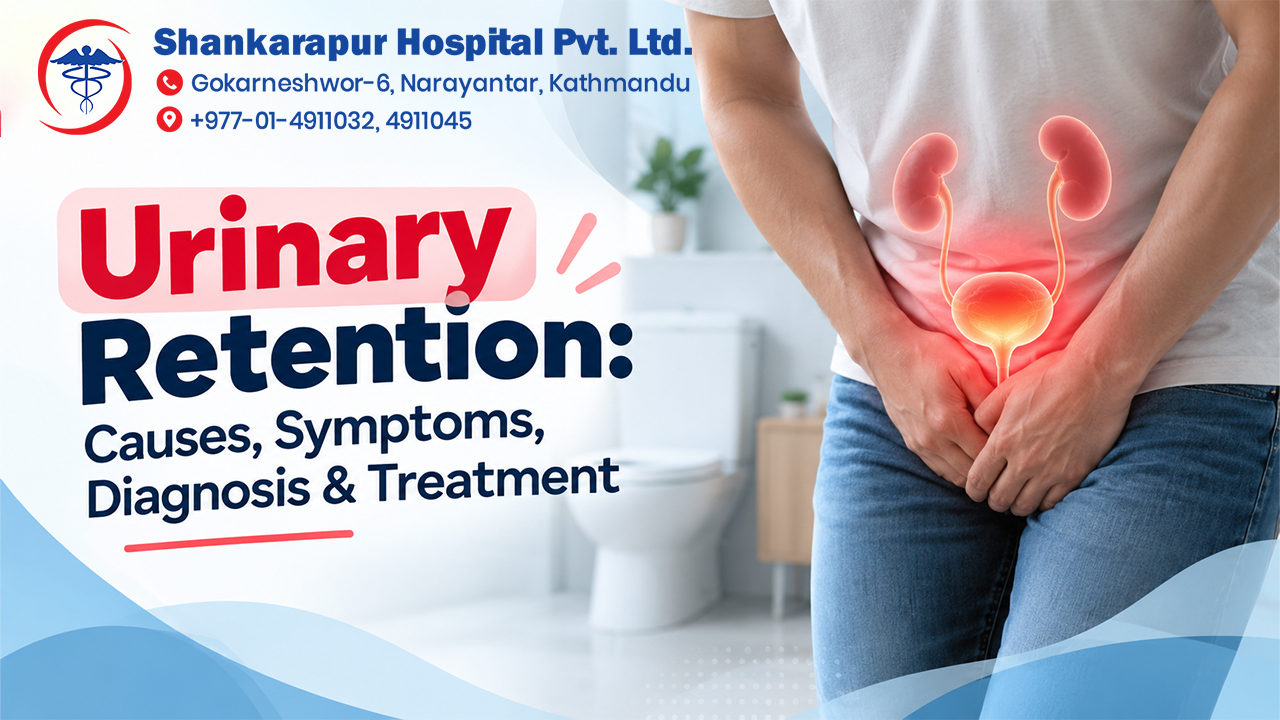
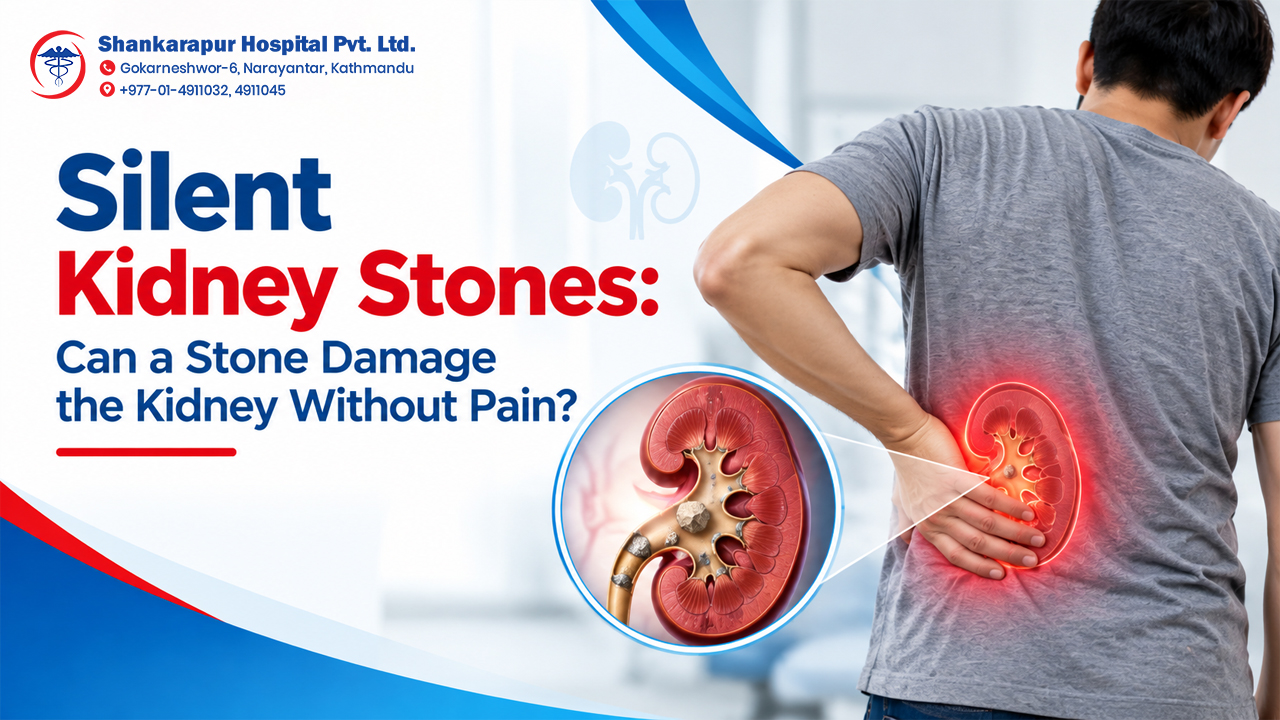
Kidney stones are hard deposits of minerals and salts that form in the kidneys and can cause severe pain and discomfort when they move through the urinary tract. When the stones pass through the urethra, they may cause a burning sensation during urination. Other symptoms of kidney stones include:
- Sharp pain in the side, lower back, or abdomen
- Blood in the urine
- Nausea and vomiting
- Difficulty urinating
In some cases, small kidney stones can pass on their own with adequate hydration, but larger stones may require medical intervention. At Shankarapur Hospital, our urology department offers advanced diagnostic tools and treatments to manage kidney stones effectively.
5. Vaginal Infections (In Women)
In women, vaginal infections like yeast infections or bacterial vaginosis can also lead to a burning sensation during urination. These infections cause irritation in the genital and urinary areas, making urination painful or uncomfortable. Other symptoms may include:
- Vaginal itching or discharge
- Pain during sexual intercourse
- Foul-smelling discharge
Treatment for vaginal infections often involves antifungal medications or antibiotics, depending on the type of infection. Consulting a urologist at Shankarapur Hospital can help you determine the right treatment plan.
6. Interstitial Cystitis (IC)
Interstitial cystitis, also known as painful bladder syndrome, is a chronic condition that causes inflammation and irritation in the bladder. Unlike UTIs or bladder infections, IC is not caused by an infection, and it can lead to persistent pelvic pain, urgency to urinate, and a burning sensation during urination.
IC is a condition that requires a thorough evaluation by a urologist in Kathmandu, as it may require specialized treatments, such as bladder instillations, physical therapy, or medications to control symptoms.
7. Urethritis
Urethritis refers to the inflammation of the urethra, often caused by bacterial or viral infections. This condition is more common in sexually active individuals and can cause a painful, burning sensation during urination. It can also cause discharge, itching, and swelling around the urethra.
Urethritis can be diagnosed through laboratory tests and treated with antibiotics or antiviral medications, depending on the cause of the infection. If you experience symptoms of urethritis, it's essential to seek care from a urologist at a reputable urology hospital in Kathmandu.
8. Dehydration and Urine Concentration
In some cases, dehydration or highly concentrated urine may cause a temporary burning sensation during urination. When urine becomes concentrated due to insufficient water intake, it can irritate the lining of the urinary tract and cause discomfort. This can typically be resolved by drinking more water and staying hydrated.
Other Potential Causes of Burning Urination
- Chemical irritants: Certain chemicals found in soaps, lotions, and other hygiene products can irritate the urinary tract and cause a burning sensation.
- Prostate issues (in men): In men, an enlarged prostate or prostatitis (inflammation of the prostate) can cause painful urination, especially when the prostate presses against the urethra.
- Medications: Some medications, particularly those used to treat cancer or bladder infections, can cause a burning sensation during urination as a side effect.
When to See a Urologist
If you experience a burning sensation during urination that lasts more than a few days or is accompanied by other concerning symptoms, it’s essential to consult a urologist in Kathmandu. A urologist is a specialist trained in diagnosing and treating conditions of the urinary tract and reproductive system.
At Shankarapur Hospital, our urology department provides advanced diagnostic services, including urine tests, imaging, and cystoscopy, to determine the underlying cause of your symptoms. Our experienced urologists will create a personalized treatment plan to address your condition and help alleviate your discomfort.
Diagnosis and Treatment at Shankarapur Hospital
At Shankarapur Hospital, we use the latest medical technologies and diagnostic tools to identify the cause of burning urination. Depending on your symptoms and medical history, our urologists may recommend:
- Urine tests: To check for signs of infection, blood, or abnormal substances in the urine.
- Imaging tests: Such as ultrasound or CT scans to examine the urinary tract and detect conditions like kidney stones or bladder infections.
- Cystoscopy: A procedure that allows the doctor to look inside the bladder and urethra to identify any abnormalities.
- Blood tests: To check for systemic issues such as diabetes or kidney function problems.
Based on the diagnosis, treatments may include:
- Antibiotics or antivirals: For bacterial or viral infections.
- Pain management: To alleviate the burning sensation and discomfort.
- Hydration therapy: In cases of dehydration or concentrated urine.
- Surgical intervention: If there are underlying structural issues, such as kidney stones or prostate enlargement.
Preventing Burning Urination
While some causes of burning urination are not preventable, there are several steps you can take to reduce your risk:
- Drink plenty of water to stay hydrated and flush out toxins.
- Practice good hygiene and wipe from front to back to prevent bacteria from entering the urinary tract.
- Avoid irritants like harsh soaps, douches, or feminine hygiene sprays.
- Urinate after sexual intercourse to reduce the risk of UTIs.
- Wear loose-fitting clothing and cotton underwear to prevent irritation.
Conclusion
A burning sensation during urination can be a sign of a variety of conditions, ranging from simple infections to more complex problems. If you experience persistent discomfort or other symptoms, it’s essential to consult with a qualified urologist at a trusted urology hospital in Kathmandu, such as Shankarapur Hospital. Our urology department is dedicated to providing high-quality care and ensuring your well-being through accurate diagnosis and effective treatment.
For more information or to schedule an appointment with one of our experienced urologists in Kathmandu, visit our website or call us at 01-4911032. Your health is our priority, and we are here to help you get back to a pain-free, healthy life.