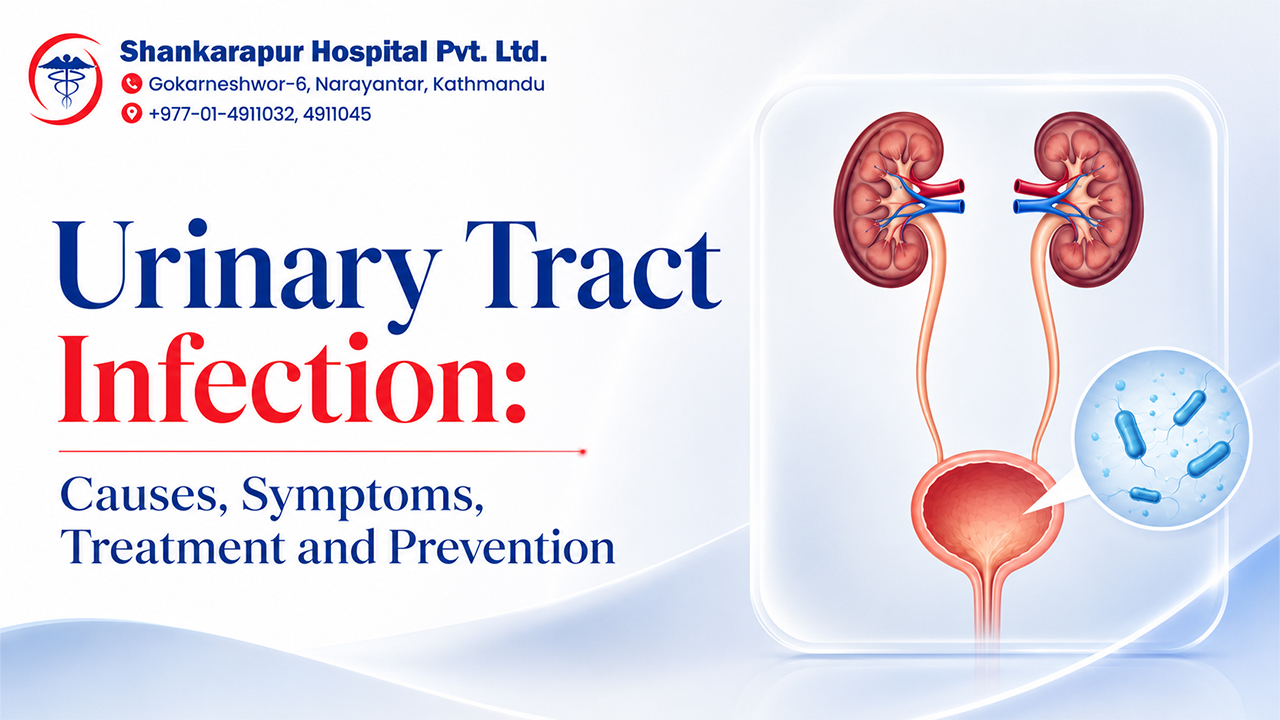
A urinary tract infection (UTI) occurs when germs, most often bacteria, infect part of the urinary system, including the urethra, bladder, ureters, or kidneys. The term urinary tract infection is often used for a bladder infection, but symptoms such as fever, flank pain, vomiting, or feeling very unwell can indicate a more serious infection involving the kidneys.
Burning while passing urine, frequent urges to urinate, lower abdominal discomfort, and cloudy or blood stained urine are common warning signs. Timely assessment matters because the right UTI treatment depends on the likely location of infection, symptoms, pregnancy status, medical history, and, when necessary, urine test results.
Avoid starting antibiotics without medical advice. The wrong medicine can delay correct care, hide an underlying problem, and contribute to antibiotic resistance.
Quick answer: Most urinary infections are caused by bacteria entering the urethra and multiplying in the bladder. A clinician can confirm the likely diagnosis through symptoms, examination, and urine tests when indicated. Bacterial UTIs are commonly treated with prescribed antibiotics, while water, rest, and pain relief may support recovery.
Urinary Tract Infection at a Glance
|
Key Point |
What It Means for Patients |
|
Common condition |
Nearly half of women experience at least one bladder infection during their lifetime. |
|
Main cause |
Bacteria, commonly Escherichia coli or E. coli, enter the urinary tract. |
|
Typical symptoms |
Burning urine, frequent urination, urgency, lower abdominal pain, or cloudy urine. |
|
When it is urgent |
Fever, chills, side pain, vomiting, pregnancy, or blood in urine need prompt medical attention. |
|
Best next step |
Seek medical advice instead of relying only on home remedies or leftover antibiotics. |
What Is a Urinary Tract Infection?
The urinary tract is the body’s system for making, storing, and removing urine. It includes the kidneys, ureters, bladder, and urethra.
A UTI can happen in any of these areas, although infections in the lower tract, especially the bladder and urethra, are more common.
Doctors may use different terms depending on where the infection occurs.
|
Location |
Medical Term |
Common Symptoms |
Why It Matters |
|
Urethra |
Urethritis |
Burning, irritation, sometimes discharge |
May be caused by bacteria or, in some cases, sexually transmitted infections. |
|
Bladder |
Cystitis |
Burning urine, urgency, frequency, lower abdominal discomfort |
This is the most common type of urinary infection. |
|
Kidneys |
Pyelonephritis |
Fever, chills, nausea, vomiting, back or side pain |
Can become serious and may require urgent treatment. |
Urinary symptoms can overlap with kidney stones, vaginal infections, prostate problems, dehydration, bladder irritation, and sexually transmitted infections. That is why a correct diagnosis is important, especially when symptoms are severe, recurrent, or unusual.
What Is the Main Cause of Urinary Tract Infection?
The main cause of a urinary tract infection is bacteria entering the urethra and growing in the bladder.
E. coli, a bacterium that normally lives in the bowel, is the most common cause. This does not mean someone is “unclean.” A UTI usually develops when bacteria reach the urinary tract and the body’s normal defence mechanisms do not clear them quickly enough.
The urethra is shorter in women, so bacteria have a shorter path to the bladder. This is one reason women experience UTIs more often than men.
Common UTI Causes and Risk Factors
|
Factor |
How It May Increase Risk |
|
Low fluid intake |
Less frequent urination may make it harder for the body to flush bacteria out. |
|
Delaying urination |
Holding urine for long periods may allow bacteria more time to multiply. |
|
Sexual activity |
Bacteria can move toward the urethra during activity. |
|
Pregnancy |
Hormonal and physical changes can slow urine flow. |
|
Kidney stones or urinary blockage |
Urine may not drain properly, creating conditions for infection. |
|
Enlarged prostate |
The bladder may not empty fully. |
|
Urinary catheter use |
Germs can enter through the catheter. |
|
Diabetes or lower immunity |
These conditions can affect the body’s ability to fight infection. |
|
Menopause |
Changes in vaginal flora can increase susceptibility for some people. |
What Are Three Signs of a Urinary Tract Infection?
Three common signs of a urinary tract infection are:
- Burning or pain while urinating
- Needing to urinate more often or urgently, even when only a small amount of urine comes out
- Cloudy, strong-smelling, pink, red, or cola-coloured urine
Other symptoms can include lower abdominal pressure, waking at night to urinate, fatigue, or feeling generally unwell.
Urine smell alone does not confirm a UTI. Urine can smell different because of dehydration, food, vitamins, or some medicines.
For a possible kidney infection, watch for fever, chills, nausea, vomiting, or pain in the back or side below the ribs. These symptoms should not be managed only with home remedies.
How Is a Urinary Tract Infection Diagnosed?
A clinician usually begins with a focused history. They may ask when symptoms began, whether there is fever or back pain, whether there are previous infections, possible pregnancy, allergies, recent antibiotic use, and underlying health conditions.
A physical examination may help identify fever, dehydration, tenderness, or signs of another condition.
A urine test may be used to check for white blood cells, nitrites, blood, or bacteria.
A urine culture grows the organism in a laboratory and can show which antibiotics are likely to work. Culture is particularly useful for recurrent infections, unusual symptoms, pregnancy, suspected kidney infection, infection that is not improving, catheter-related symptoms, or recent antibiotic exposure.
Imaging such as ultrasound or CT scan is not needed for every simple bladder infection. It may be considered when a doctor suspects stones, blockage, a structural problem, repeated infections, or a kidney infection that is not responding as expected.
Why Urine Culture and Sensitivity Matter
Antibiotics do not work against every bacterium in the same way. A culture and sensitivity test helps the doctor select treatment based on the organism and local resistance pattern.
This is especially useful when symptoms return soon after treatment, when a person has repeated UTIs, or when the infection is severe.
It is also important to distinguish a symptomatic infection from bacteria found in urine without symptoms. In many non-pregnant adults, bacteria in urine alone do not require antibiotics. Unnecessary treatment can cause side effects and increase antibiotic resistance.
UTI Treatment: What Actually Helps?
The right UTI treatment starts with identifying whether the infection is likely to be in the bladder or kidneys, whether there are risk factors for complications, and whether another condition may be causing the symptoms.
For a confirmed or strongly suspected bacterial bladder infection, clinicians commonly prescribe an antibiotic. The medicine and duration vary based on allergies, pregnancy, kidney function, previous culture results, local resistance patterns, and illness severity.
Take prescribed medicines exactly as instructed. Do not stop treatment early only because symptoms improve.
Supportive care may also help:
- Drink water regularly unless a doctor has advised fluid restriction.
- Rest and avoid delaying urination.
- Use pain-relief medicine only as advised by a clinician or pharmacist.
- Use a warm compress over the lower abdomen for comfort, if safe for you.
- Return for review if symptoms are worsening or not improving within the period advised by your doctor.
Do not use leftover antibiotics, share antibiotics, or select antibiotics based on someone else’s prescription. This can fail to treat the actual infection and increase antibiotic resistance.
When Should You Seek Urgent Care?
Contact a doctor promptly for symptoms of a UTI. Seek urgent assessment if you have any of the following:
|
Red Flag |
Why It Needs Attention |
|
Fever or shaking chills |
May indicate infection beyond the bladder. |
|
Back, side, or groin pain |
Can occur with kidney infection or kidney stones. |
|
Nausea or vomiting |
May increase the risk of dehydration and serious illness. |
|
Pregnancy |
Needs early, pregnancy-safe assessment and treatment. |
|
Blood in urine |
Can occur in UTI but may also need evaluation for stones or other causes. |
|
Symptoms in a man, child, or older adult with new illness |
The cause may be more complex or symptoms may appear differently. |
|
Kidney disease, diabetes, catheter use, or immune suppression |
These conditions may increase complication risk. |
|
No improvement after treatment begins |
May indicate resistance, wrong diagnosis, or another underlying problem. |
If you feel severely unwell, confused, faint, unable to keep fluids down, or have rapidly worsening symptoms, do not delay care.
How to Prevent Urinary Tract Infections
Prevention is not about blaming yourself. It is about supporting normal urinary flow and reducing the chance for bacteria to remain in the bladder.
Practical preventive steps include:
- Drink water regularly unless you have been advised to restrict fluids.
- Do not hold urine for long periods and take time to empty the bladder fully.
- Urinate after sexual activity and wipe from front to back after using the toilet.
- Avoid douching and strongly scented genital products, which can irritate tissue.
- Discuss repeat infections with a clinician, particularly after menopause or when stones, incomplete emptying, or another medical cause may be involved.
Cranberry products may help prevent recurrence for some people, but evidence is mixed. They do not cure an active infection or replace medical treatment.
Recurrent UTI: When Is It Time for a Urology Evaluation?
Recurrent cystitis is generally defined as:
- Two or more episodes within six months, or
- Three or more episodes within one year
Repeated symptoms should not simply be treated again and again without checking why they are happening.
A urology evaluation may consider urine culture results, the timing of infections, bladder emptying, kidney stones, prostate issues, menopause-related changes, catheter use, diabetes, and urinary tract abnormalities.
Not everyone with recurrent symptoms needs extensive imaging or cystoscopy. The decision should be based on the individual pattern, red flags, and examination findings.
For patients comparing a urology hospital in Nepal or a kidney hospital in Nepal, practical questions include:
- Is there access to a urology specialist?
- Can the hospital arrange urine testing and imaging when needed?
- Is there a pathway for inpatient or emergency care if symptoms are severe?
- Can follow-up be coordinated when infections recur?
Food, Drinks, Fruit and Lemon Water: What Helps?
There is no specific food, fruit, juice, or home remedy proven to cure a bacterial urinary tract infection.
Diet does not replace a proper diagnosis or prescribed treatment. However, hydration and symptom-friendly choices can make recovery more comfortable.
What Is the Best Drink for Urine Infection?
Water is generally the best drink for a urine infection. It supports hydration and regular urination.
Sip fluids through the day rather than forcing large amounts at once. People with kidney, liver, or heart conditions who have fluid restrictions should follow their clinician’s advice.
Which Fruit Is Good for Urinary Infection?
No fruit cures a UTI. Fruits can be part of a balanced diet, but they should not be presented as treatment.
Some people prefer less acidic fruits such as banana, papaya, pear, or melon if bladder symptoms make acidic foods uncomfortable. Individual tolerance differs.
Is Lemon Water Good for Urinary Tract Infection?
Lemon water can support hydration, but it does not cure a UTI.
For some people, acidic drinks may worsen burning, urgency, or bladder discomfort. Plain water is usually the simplest choice during urinary symptoms.
Reduce lemon water if it makes symptoms feel worse.
What Not to Eat With a UTI?
There is no universal banned-food list. However, some people find that the following make bladder discomfort worse:
- Caffeinated tea, coffee, energy drinks, and cola
- Alcoholic drinks
- Highly sweetened beverages
- Very spicy foods
- Acidic foods or drinks, including citrus or tomato products
- Artificial sweeteners, if they worsen urgency or irritation
Pay attention to personal symptom triggers, but do not use food changes as a replacement for medical treatment.
Urology Care for Urinary Symptoms at Shankarapur Hospital
Burning urine, recurrent urgency, blood in urine, repeated infections, flank pain, or symptoms that do not improve deserve clinical assessment.
At Shankarapur Hospital, patients can seek evaluation through the Urology department, alongside diagnostic and imaging services, OPD support, inpatient care, and emergency services when clinically required.
A doctor may recommend urine testing, culture and sensitivity, kidney function assessment, ultrasound, or other investigations depending on symptoms and risk factors.
The goal is not only to treat the current infection but also to identify concerns such as kidney stones, urinary obstruction, enlarged prostate, or recurrent infection patterns when relevant.
To arrange a consultation at Shankarapur Hospital, contact 01-4911032 or visit Gokarneshor-06, Jorpati, Narayantaar, Kathmandu.
Frequently Asked Questions About Urinary Tract Infection
What is the main cause of urinary tract infection?
The main cause is bacteria entering the urethra and multiplying in the bladder. E. coli, which commonly lives in the bowel, causes many UTIs. Low fluid intake, holding urine, sexual activity, pregnancy, kidney stones, prostate enlargement, catheters, and diabetes can raise risk.
What are three signs of a urinary tract infection?
Three common signs are burning while urinating, needing to urinate frequently or urgently, and cloudy, strong-smelling, or blood-tinged urine. Lower abdominal discomfort is also common. Fever, vomiting, or back and side pain can indicate a more serious kidney infection.
How can I cure my urinary infection?
A suspected urinary infection should be assessed by a healthcare professional. Bacterial UTIs are usually treated with prescribed antibiotics, selected according to symptoms, health history, and urine test results when needed. Drink adequate water, complete the prescribed course, and avoid self-medicating with leftover antibiotics.
What is the best drink for urine infection?
Water is generally the best drink because it supports hydration and regular urination. It does not replace medical treatment. People who have fluid restrictions due to kidney, liver, or heart conditions should ask their clinician how much fluid is safe.
Which fruit is good for urinary infection?
No fruit cures a UTI. Fruits can be part of a balanced diet, but they are not treatment. Choose fruits you tolerate comfortably, and seek medical advice rather than relying on fruit juice or home remedies for an active infection.
Is lemon water good for urinary tract infection?
Lemon water may help with hydration, but it does not cure a UTI. It may worsen burning or bladder irritation in some people because it is acidic. Plain water is usually a better first choice during urinary discomfort.
What not to eat with a UTI?
No food is universally forbidden. However, caffeine, alcohol, sugary drinks, spicy foods, citrus, tomato products, and artificial sweeteners can worsen bladder irritation for some people. Reduce personal triggers while seeking appropriate medical treatment.
Takeaway
A urinary tract infection is common, but it should not be dismissed when symptoms are severe, recurrent, or accompanied by fever, side pain, vomiting, blood in urine, or pregnancy.
Accurate assessment helps separate a simple bladder infection from a kidney infection, stone, obstruction, prostate condition, or another cause of urinary symptoms.
Early medical advice, targeted testing when appropriate, and responsible antibiotic use can help relieve symptoms and protect urinary and kidney health.
Author: Shankarapur Hospital Health Information Team
This article is for health education and does not replace individual medical diagnosis or treatment.