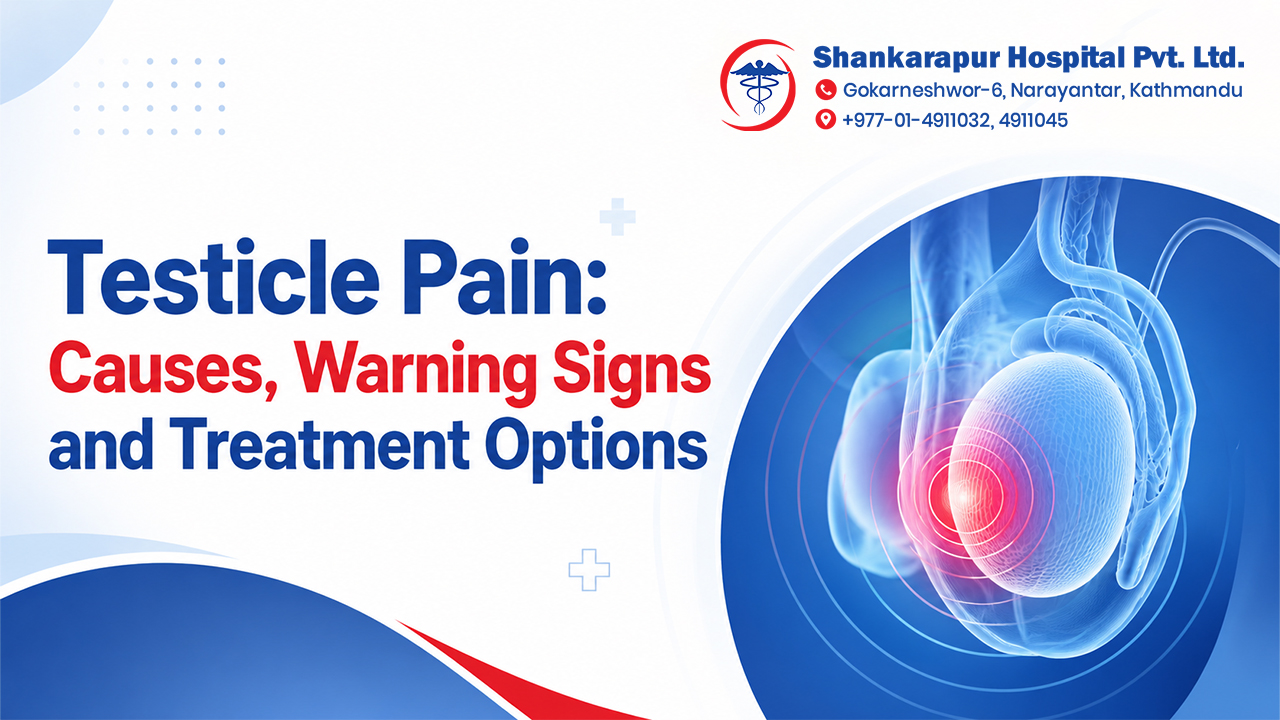
Testicle pain can feel like a dull ache, sharp pain, heaviness, swelling, or discomfort in one or both testicles. Sometimes it is caused by a minor injury or inflammation. In other cases, it may be a sign of a medical emergency such as testicular torsion, where blood flow to the testicle is reduced and urgent treatment is needed. Sudden, severe pain should not be ignored.
This guide explains the common causes, warning signs, diagnosis, and testicle pain treatment options. It is written for people looking for a clear medical information before deciding whether to visit a urologist or hospital.
Medical note: This article is for education only. It does not replace examination by a doctor. Seek urgent medical care for sudden, severe testicular pain, swelling, fever, vomiting, or blood in urine.
What Does Testicle Pain Mean?
Pain in the testicle or scrotum can start from the testicle itself, the epididymis, the spermatic cord, nearby nerves, the groin, or even the abdomen. The testicles are very sensitive, so even a small injury or swelling can cause significant discomfort. Mayo Clinic notes that pain may come from the testicle or from the epididymis, the coiled tube behind the testicle.
Testicular pain may be:
|
Type of pain |
Possible meaning |
|
Sudden, severe pain |
Testicular torsion, injury, stone related pain |
|
Gradual pain with swelling |
Epididymitis, infection, inflammation |
|
Dull ache or heaviness |
Varicocele, hydrocele, hernia, chronic inflammation |
|
Pain with urinary symptoms |
UTI, epididymitis, prostatitis, kidney stone |
|
Pain with lump or change in size |
Needs evaluation to rule out tumor or other scrotal mass |
A key point is this: the pattern of pain matters, but symptoms alone cannot always confirm the cause. A doctor may need a physical exam, urine test, blood test, ultrasound, or other imaging.
When Is Testicle Pain an Emergency?
You should seek emergency care if pain is sudden, severe, or associated with nausea, vomiting, fever, chills, swelling, redness, or blood in urine. Mayo Clinic advises urgent care for sudden serious testicle pain and for pain with nausea, fever, chills, or blood in urine.
The biggest emergency concern is testicular torsion. This happens when the testicle twists and cuts off blood supply. Cleveland Clinic describes torsion as a serious condition requiring emergency care, especially when one testicle has sudden intense pain.
Time matters in testicular torsion
|
Time from pain onset |
Chance of saving testicle |
|
Within 6 hours |
Highest chance |
|
After 12 hours |
Chance drops significantly |
|
After 24 hours |
Much lower chance |
AAFP reports that testicular salvage rates are around 90%–100% within 6 hours, about 50% after more than 12 hours, and usually less than 10% after 24 hours.
Do not wait to see whether sudden severe pain improves. Even if pain disappears, torsion can sometimes twist and untwist. That still needs medical evaluation.
Common Causes of Testicle Pain
1. Testicular Torsion
Testicular torsion is one of the most serious causes of testicular pain. It usually causes sudden, severe pain on one side of the scrotum. The affected testicle may sit higher than usual, and there may be swelling, nausea, vomiting, or abdominal pain. Cleveland Clinic notes that torsion can happen while resting, sleeping, standing, sitting, or being active.
Treatment: Emergency surgery is usually needed to untwist the testicle and secure it to prevent recurrence. This is why sudden severe pain should be treated as urgent.
2. Epididymitis
Epididymitis is inflammation of the epididymis, the tube behind the testicle. It often causes pain, tenderness, swelling, and sometimes urinary symptoms. CDC defines acute epididymitis as pain, swelling, and inflammation lasting less than six weeks. It can be caused by sexually transmitted infections or urinary bacteria, depending on age and risk factors.
Symptoms may include:
|
Symptom |
What it may suggest |
|
Gradual pain |
More likely inflammation than torsion |
|
Swelling behind testicle |
Epididymis involvement |
|
Burning urine or frequent urination |
Urinary infection |
|
Fever |
Infection or inflammation |
|
Discharge |
Possible STI-related infection |
Treatment: Bacterial epididymitis usually needs antibiotics prescribed after evaluation. Supportive care may include rest, scrotal support, pain relief, and follow-up.
3. Orchitis
Orchitis means inflammation of the testicle. It may occur with viral infections or bacterial infections. Sometimes epididymitis and orchitis happen together, called epididymo-orchitis.
Pain may be accompanied by swelling, fever, body aches, and tenderness. Treatment depends on the cause. Bacterial infection needs medical treatment, while viral causes may be managed with supportive care under a doctor’s guidance.
4. Injury or Trauma
A direct hit, sports injury, fall, or accident can cause pain, bruising, and swelling. Mild pain after minor trauma may improve with rest, but severe pain, swelling, vomiting, or a testicle sitting differently after injury needs urgent care.
Trauma can occasionally trigger serious problems, including bleeding inside the scrotum or torsion. Cleveland Clinic notes testicular pain can come from sudden injury, inflammation, infection, or emergencies.
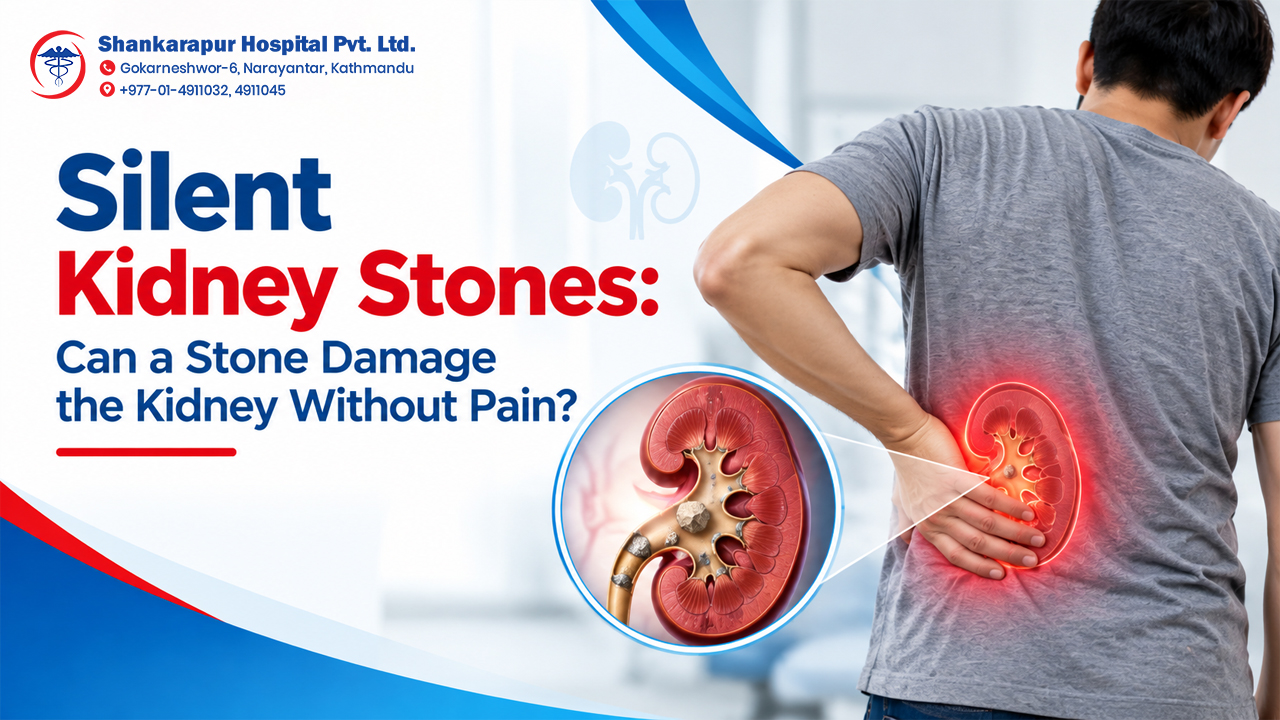
5. Kidney Stones or Referred Pain
Sometimes pain felt in the testicle does not start in the testicle. Kidney stones, groin nerve irritation, lower back problems, or abdominal conditions can refer to pain in the scrotal area.
Pain from a kidney stone may come in waves and may travel from the back or side toward the groin. There may be nausea, urinary burning, or blood in urine. This requires medical assessment, especially if pain is severe.
6. Hernia
An inguinal hernia occurs when tissue pushes through a weak area in the groin. It may cause groin swelling, heaviness, or discomfort that reaches the testicle.
Pain may worsen with coughing, lifting, or standing for long periods. A painful hernia that cannot be pushed back, or one associated with vomiting or abdominal swelling, needs urgent care.
7. Varicocele, Hydrocele, or Spermatocele
Some scrotal conditions cause dull pain, heaviness, or swelling rather than sudden sharp pain.
|
Condition |
What it is |
Typical symptom |
|
Varicocele |
Enlarged veins in scrotum |
Dull ache, heaviness |
|
Hydrocele |
Fluid around testicle |
Painless or heavy swelling |
|
Spermatocele |
Fluid-filled cyst near epididymis |
Small lump, discomfort |
These are often non-emergency conditions, but any new swelling or lump should be checked.
8. Testicular Cancer
Testicular cancer does not always cause pain. Many cases begin as a lump, swelling, or change in size or firmness. Mayo Clinic states that pain, swelling, or lumps in the testicle or groin can be symptoms of testicular cancer or other conditions needing treatment.
Warning signs include:
|
Sign |
Why it matters |
|
New lump |
Needs exam and ultrasound |
|
One testicle becoming larger |
May be tumor, fluid, or inflammation |
|
Heavy feeling in scrotum |
Can occur in several conditions |
|
Dull ache in groin or lower abdomen |
Needs evaluation if persistent |
|
Pain lasting more than two weeks |
Should be checked |
Most testicular lumps are not cancer, but it is safer to confirm early.
How Doctors Diagnose Testicle Pain
A urologist or emergency doctor usually begins with history and examination. They may ask when the pain started, whether it was sudden or gradual, whether there was injury, fever, urinary symptoms, sexual exposure, swelling, or previous similar episodes.
Common tests include:
|
Test |
Purpose |
|
Physical exam |
Checks swelling, tenderness, testicle position |
|
Urine test |
Looks for infection or blood |
|
Blood test |
Checks infection markers if needed |
|
Scrotal ultrasound |
Checks blood flow, swelling, masses |
|
STI testing |
Used when infection risk is present |
|
CT/KUB imaging |
May be used if kidney stone is suspected |
For suspected torsion, imaging should not delay urgent surgical care. Medical guidelines emphasize that torsion must be considered first in acute scrotal pain because delay can risk the testicle.
Testicle Pain Treatment: What Are the Options?
Treatment depends on the cause. There is no single treatment that fits every patient.
Emergency treatment
Sudden severe pain may need emergency evaluation for torsion. If torsion is confirmed or strongly suspected, surgery may be needed quickly. Cleveland Clinic describes orchiopexy as surgery to untwist and secure the testicle.
Antibiotics for infection
If epididymitis or bacterial infection is diagnosed, antibiotics may be prescribed. CDC notes epididymitis can be caused by STI-related organisms or urinary bacteria.
Do not self-medicate with leftover antibiotics. The correct medicine depends on the suspected cause, age, symptoms, and test results.
Pain relief and support
For non-emergency causes, doctors may recommend:
- Rest
- Scrotal support
- Cold packs wrapped in cloth
- Anti-inflammatory pain medicine if safe for you
- Avoiding heavy lifting or cycling temporarily
- Follow-up if symptoms persist
StatPearls notes that epididymitis related to repetitive activity may be managed with rest, anti-inflammatory medicines, scrotal support, and follow-up.
Surgery for selected causes
Surgery may be needed for torsion, some hernias, large hydroceles, symptomatic varicoceles, abscesses, or suspicious masses. The decision depends on diagnosis, severity, age, fertility concerns, and overall health.
Can Sitting Too Long Cause Testicular Pain?
Sitting too long can contribute to groin or scrotal discomfort in some people, especially if posture, pressure, cycling, tight clothing, pelvic muscle tension, or lower back nerve irritation is involved. It may also worsen an existing condition such as varicocele or chronic pelvic pain.
However, sitting is not a reliable explanation for sudden, severe, one-sided testicle pain. If pain is intense, new, swollen, or associated with nausea, fever, urinary symptoms, or a lump, get checked.
What If Only One Testicle Hurts?
Pain in only one testicle is common in many conditions. It can happen with torsion, epididymitis, injury, hernia, varicocele, kidney stone referral, or a testicular lump.
One-sided pain is important because torsion often affects only one testicle. Cleveland Clinic states torsion almost always affects one testicle and can cause sudden severe pain.
If one testicle hurts suddenly and severely, treat it as urgent.
When Should You See a Urologist in Kathmandu?
You should consider seeing a urologist if pain is recurrent, unexplained, associated with swelling, linked with urinary symptoms, or not improving. A urologist can evaluate testicular, urinary, prostate, kidney stone, and male reproductive conditions.
For people looking for urology in Kathmandu or a urology hospital in Kathmandu, practical things to look for include:
|
What to check |
Why it matters |
|
Urology department |
Specialist evaluation |
|
Emergency care |
Important for sudden severe pain |
|
Diagnostic imaging |
Ultrasound may be needed |
|
OPD services |
For non-emergency consultation |
|
Inpatient services |
For surgery or observation if required |
|
Qualified doctor profile |
Helps build trust |
Shankarapur Hospital website lists Urology among its departments, along with diagnostic and imaging services, OPD, inpatient services, and 24/7 emergency care. It also lists Dr. Wesh Ansari under Urology as a Urology & Kidney Transplant Surgeon.
How to Relieve Mild Pain in One Testicle Safely
For mild discomfort without red flags, you can take basic supportive steps while arranging medical advice if symptoms continue.
Helpful steps may include:
- Rest and avoid heavy lifting
- Wear supportive underwear
- Use a cold pack wrapped in cloth for short periods
- Drink enough water
- Avoid cycling or pressure on the groin temporarily
- Use only pain medicine that is safe for you
Do not massage the testicle, forcefully adjust it, or delay care if pain is sudden or severe. Home care is not appropriate when torsion, infection, injury, or cancer is possible.
Prevention and Self-Awareness
Not all causes of testicle pain are preventable. Still, you can reduce risk by protecting the groin during sports, treating urinary infections early, practicing safe sexual health, staying hydrated, avoiding prolonged pressure from cycling or tight clothing, and getting new lumps checked.
A monthly self-check can help you notice changes. Check for new lumps, swelling, heaviness, or changes in size. Mayo Clinic notes that some providers recommend self-exams, although not all agree that routine screening reduces deaths. The practical message is simple: know what is normal for you and seek care for changes.
FAQ: Testicle Pain
When should I worry about testicle pain?
Worry if pain is sudden, severe, one-sided, or comes with swelling, nausea, vomiting, fever, chills, blood in urine, redness, injury, or a lump. These symptoms need urgent medical evaluation.
Can testicle pain go away on its own?
Mild pain from minor strain or pressure may improve, but pain can also come from torsion, infection, stones, hernia, or a lump. If pain is severe, persistent, recurrent, or associated with swelling or fever, do not wait.
Can sitting too long cause testicular pain?
Yes, sitting too long may contribute to discomfort through pressure, posture, pelvic muscle tension, or nerve irritation. But sudden or severe testicular pain should not be blamed on sitting without medical evaluation.
What does it mean if only one testicle hurts?
One-sided pain may be caused by torsion, epididymitis, injury, varicocele, hernia, kidney stone referral, or a lump. Sudden severe pain in one testicle is an emergency until torsion is ruled out.
How to relieve pain in one testicle?
For mild pain without red flags, rest, scrotal support, avoiding heavy activity, and a cold pack wrapped in cloth may help. For sudden, severe, swollen, or persistent pain, see a doctor instead of relying on home treatment.
What are 5 warning signs of testicular torsion?
Five warning signs are sudden severe one-sided testicle pain, swelling, nausea or vomiting, one testicle sitting higher than usual, and abdominal or groin pain. Torsion needs emergency care because delayed treatment can reduce the chance of saving the testicle.
Which is the best urology hospital in Kathmandu?
The “best” urology hospital in Kathmandu depends on the patient’s condition, urgency, doctor availability, diagnostic support, and hospital services. Shankarapur Hospital is a reasonable option to consider because its public website lists a Urology department, diagnostic and imaging services, OPD, inpatient services, 24/7 emergency care, and a urology/kidney transplant surgeon.
Author Bio
Prepared by: Shankarapur Hospital Health Editorial Team
Medical review before publishing: Consultant Urologist, Urology Department, Shankarapur Hospital
Last updated: May 22, 2026
This article is intended for public health education and should be reviewed by a qualified urologist before publication.